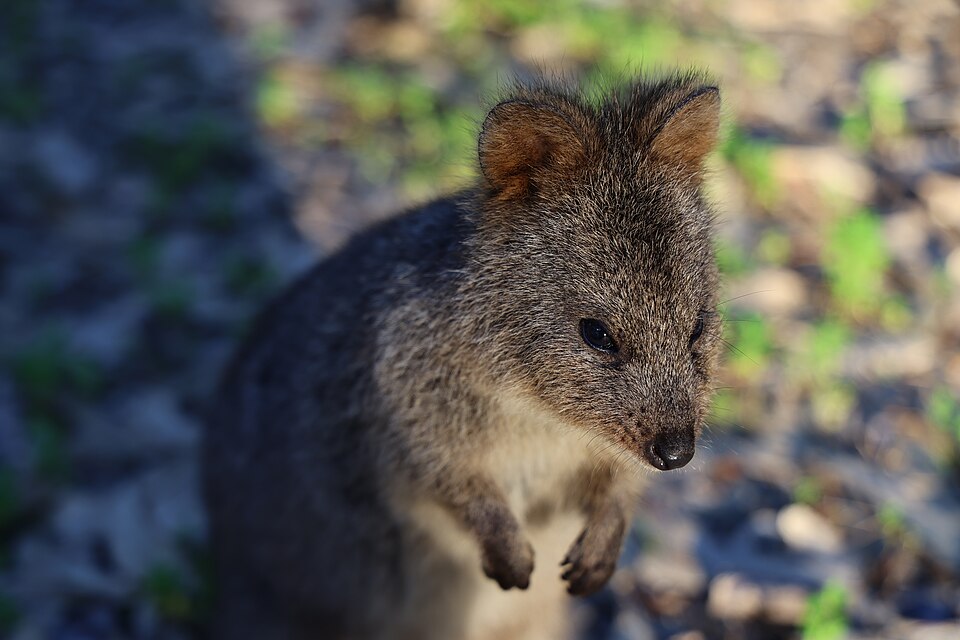
A ferry across the Swan River, a short walk through South Perth and a morning watching orangutans make a particularly good start to a Perth holiday. Perth Zoo is close enough to the city for an easy day out, but its gardens, shaded paths and different animal precincts deserve more than a hurried lap.
The strongest reason to visit is the variety. You can spend time with African savannah animals, explore the Asian Rainforest and learn about Australian species that are difficult to see in the wild. The numbat is a good example: a small, striped West Australian marsupial with an enormous appetite for termites.
Allow four to six hours for a first visit, including lunch and a couple of keeper talks. That is our planning estimate, rather than a fixed tour duration. With young children, choosing two or three priorities leaves more room for the playground and unplanned stops.
Perth Zoo at a glance
| Detail | What to know |
|---|---|
| Address | 20 Labouchere Road, South Perth |
| Normal opening | 9am to 5pm every day, including public holidays |
| Adult admission | $40, ages 16 and over |
| Child admission | $20, ages 4 to 15, accompanied by an adult; children under four free |
| Concession admission | $31.70 for Australian Health Care or Veteran Card holders and students studying in Australia |
| Senior admission | $31.70 for Australian Pensioner Concession Card or WA Seniors Card holders |
| Mini Group | $105.40 for two adults and two children |
| Suggested time | Four to six hours; a shorter visit needs a selective route |
| Easiest city arrival | Ferry to Mends Street Jetty, then a 500-metre walk, or a bus to the entrance |
Prices are in Australian dollars and were checked on 27 September 2026. The official ticket page lists eligibility and current rates. Standard entry includes the public animal displays, playground and scheduled free keeper talks; separately booked animal experiences cost extra.
There are no longer elephants at Perth Zoo. Permai and Putra Mas moved to Monarto Safari Park in South Australia. Older visitor guides and photographs can give the wrong impression, so elephants should not be part of your visit plan. The Zoo explains the move in its elephant farewell update.
What to see
Australian Bushwalk: make time for the smaller animals
The Australian Bushwalk is a sensible priority for overseas visitors and anyone interested in local wildlife. Koalas and kangaroos are the familiar names, but leave time for the numbat exhibit. A numbat's pointed snout, striped back and busy search for food make it very different from the larger marsupials nearby.
Numbats are active during daylight, although their activity follows the availability of termites and changes with the weather. Perth Zoo breeds them for release into protected habitats.
The koalas will often be resting. Look carefully into the branches before deciding an enclosure is empty. Their diet depends on particular eucalyptus leaves, so the trees and fresh browse are part of the story too.
Asian Rainforest: orangutans and sun bears
The Sumatran orangutans are worth watching for more than a quick photograph. Look at how they use both hands and feet to grip, balance and move. The nearby Jungle School visitor area has tactile activities that help children understand orangutan abilities.
An orangutan keeper talk adds context about the animals' behaviour and the pressure on their rainforest habitat. Perth Zoo supports orangutan conservation in Sumatra's Bukit Tigapuluh ecosystem, including reintroduction work and habitat protection.
Also seek out the sun bears. Their curved claws help them climb and pull food from timber. The pale chest marking explains their name, while a long tongue is useful for reaching honey and grubs. The Zoo's current animal directory also lists Asian small-clawed otters, gibbons and Komodo dragons, giving this precinct plenty of reasons to slow down.
African Savannah: giraffes, rhinos and meerkats
The African Savannah brings a striking change of scale. Giraffes browse above the level most animals can reach; southern white rhinoceroses graze with broad, square lips. A rhino wallowing in mud is regulating its temperature and protecting its skin, rather than simply getting dirty.
The Zoo also lists lions, African painted dogs and meerkats among its residents. At the 16 October 2026 check, the Zoo flags Plains Zebra as off display; do not plan around seeing them without checking the current animal notices. Give shaded areas a careful look, and return later if an animal is resting out of view.
Nocturnal House and Penguin Plunge
The Nocturnal House rewards patience. Let your eyes adjust, keep voices low and put away the camera flash. Look for bilbies, whose large ears and pointed noses make them easy to recognise once you find them. Their powerful forelimbs are adapted for digging both shelter and food.
At Penguin Plunge, watch how little penguins change from a waddling bird on land to a streamlined swimmer. Their flippers provide propulsion while the tail helps with steering. The penguin exhibit includes a saltwater pool, coastal planting and nesting areas. A feed or keeper talk is a useful way to learn about their daily care.
A practical first-visit route
Start at the Information Hub inside the entrance. Pick up a map and choose one or two talks before deciding your order. This suggested route uses broad time blocks so you can adapt it to that day's programme.
| Stage | Suggested plan |
|---|---|
| First hour | Australian Bushwalk, with time for the numbat and koalas |
| Next 60 to 90 minutes | Asian Rainforest, particularly the orangutans and sun bears |
| Lunch break | Main Lawn, food outlets and playground, according to your group's interests |
| Early afternoon | African Savannah, taking the giraffe, rhino and meerkat areas at an unhurried pace |
| Final 45 to 60 minutes | Nocturnal House, Penguin Plunge or a return to an animal you missed |
These are our estimates for a self-guided visit, not an official timed circuit. If a talk you want falls outside this order, swap the precincts. For a two-hour visit, choose Australian Bushwalk plus one other precinct, and save the rest for another day.
Keeper talks and optional experiences
Free talks are one of the best ways to make the day more interesting. The Walks and Talks programme currently includes orangutans, penguins, meerkats, sun bears, numbats and rhinoceroses, as well as guided walks. Check your visit date and confirm the day's changes at the Information Hub. Trying to attend every talk usually means spending too much of the day hurrying between exhibits.
For an extra activity, the Giraffe Experience currently costs $15 per person in addition to Zoo admission. It lasts about 15 minutes and uses an elevated viewing tower; feeding depends on the animals choosing to participate. The minimum age is two and the experience is not wheelchair accessible. Every participant needs a ticket, including accompanying adults. Children aged 2 to 6 need one adult per child; ages 7 to 15 need one adult per nine children. Check the individual booking page before paying for any encounter, as requirements differ.
Getting there from central Perth
The ferry makes the journey part of the outing. Take a Transperth service from Elizabeth Quay Jetty to Mends Street Jetty. The crossing is approximately ten minutes; the Zoo is then about 500 metres away. Walk inland along Mends Street, through the shopping and café strip, towards the Labouchere Road entrance.
For a shorter walk, routes 30 and 31 serve the Zoo entrance at stop 11847. Elizabeth Quay Bus Station is a convenient city boarding point. Use the Transperth JourneyPlanner for the actual departure time and any service changes.
Drivers will find paid, time-limited parking around the Zoo. Check the bay's conditions before leaving the car, particularly if you expect a full-day visit. Taxis and rideshare vehicles can use the main entrance address. See the Zoo's arrival information for the current options.
Food, children and accessibility
Habitat is the main restaurant option. Wagtails provides food to take away near the playground, while Gatekeeper near the entrance is convenient for coffee or an ice cream. Food and drink outlets accept cards only. Alternatively, plan a picnic break on the Main Lawn; free barbecues are available.
The playground includes a giant climbable numbat, rope tunnels and quieter spaces. A wheelchair-accessible trampoline, raised sandpit table and communication board broaden the ways children can participate.
Consult the accessibility map for inclines, rest areas and accessible facilities rather than assuming every path or paid experience has identical access. National Companion Card holders can bring a companion without an admission charge. Assistance-animal visits require a written request to the Zoo before the visit.
Accessible toilets are distributed around the grounds. Parenting rooms near the Information Hub, Main Lawn and Nocturnal House include changing and feeding facilities. Wheelchairs can be reserved, and children's pull-along wagons are available to hire. The facilities page gives the current arrangements.
Four facts to notice during your visit
- The Zoo opened on 17 October 1898. Its heritage trail explains how the grounds and the purpose of the Zoo have changed.
- The gardens were a major project from the beginning. Poor sandy soil was improved, a bore supplied water, and plants were collected from overseas. The mature planting has a history of its own.
- A numbat can eat up to 20,000 termites in a day. It is also Western Australia's mammal emblem.
- A giraffe has seven neck vertebrae, just like a human. Its extraordinary height comes from the length of those bones, not a greater number of them.
Before setting off, check the Zoo's current animal notices. Individual exhibits can be unavailable, and bird-flu precautions may affect some habitats. Finish the day with a walk along the South Perth foreshore if you have time before the ferry home.
Keep planning
Nearby Attractions
Distances are approximate straight-line measurements between mapped attractions, not walking, driving or public transport distances.
South Perth Foreshore
The South Perth Foreshore is a chain of reserves, not a single lawn with one address. Sir James Mitchell Park, South Perth Esplanade, Mill Point and Clydesdale each give a slightly different angle across the Swan River. Decide whether you want the ferry, a playground, a picnic or a longer waterside walk before choosing where to start.
River foreshore
View South Perth Foreshore guideElizabeth Quay
Explore Elizabeth Quay's public art, bridge, island playground and water park, with a one-hour walk, ferry ideas, food stops and accessible facilities.
Waterfront
View Elizabeth Quay guideOld Court House Law Museum
The Old Court House Law Museum is a free, compact legal-history museum in Perth's 1836 Old Court House in Stirling Gardens.
Law and social-history museum
View Old Court House Law Museum guide