Rottnest Island rewards a little restraint. A ferry ticket, a bicycle and a map can tempt you to circle the whole island, climb a lighthouse, snorkel several bays and squeeze in lunch before the boat home. A better first visit usually means choosing one part of the island and giving it time.
There are white beaches close to the settlement, salt lakes inland and a wilder western coast where fur seals rest below the cliffs. Quokkas live throughout the island. Wadjemup is also Whadjuk Noongar Country and a place of profound significance for Aboriginal communities across Western Australia. Learning something of that history belongs in a visit alongside the beaches.
Plan your visit
Choosing your ferry departure point
The nearest departure to your accommodation is not always the quickest journey overall. Include the mainland transfer and time at the terminal, not just the crossing.
These are approximate journey times, subject to the service and conditions. See the official ferry guide and the operators' booking calendars for actual sailings. Book the return as well as the outward journey.
For the mainland journey to your ferry terminal, compare trains, buses, driving and taxi options in our Getting Around Perth guide.
Victoria Quay works: at the 27 September 2026 check, the island authority advised that ticketing booths had temporarily moved to the east side of E Shed because of B Shed terminal works. Ferries continued operating. Follow your operator's current arrival instructions.
Ferry fares and the island admission fee
Ferry operators collect the island admission fee during booking. It is separate from the transport component but normally included in the quoted total once you reach the fare breakdown. Do not add it again to a price that already includes it.
The published admission charges at the September 2026 check were $21.50 for an adult day visit and $11 for children aged 4 to 16. For an overnight visit, the corresponding extended-stay charges were $28.50 and $14.50, covering the visit rather than each day. Children under four had no admission charge.
Ferry prices vary by departure point, date, offer and package. Compare the final price on SeaLink, Rottnest Express and Rottnest Fast Ferries, including any bike transport, hire or luggage charges.
Which beaches should you visit?
The Basin: an easy first beach
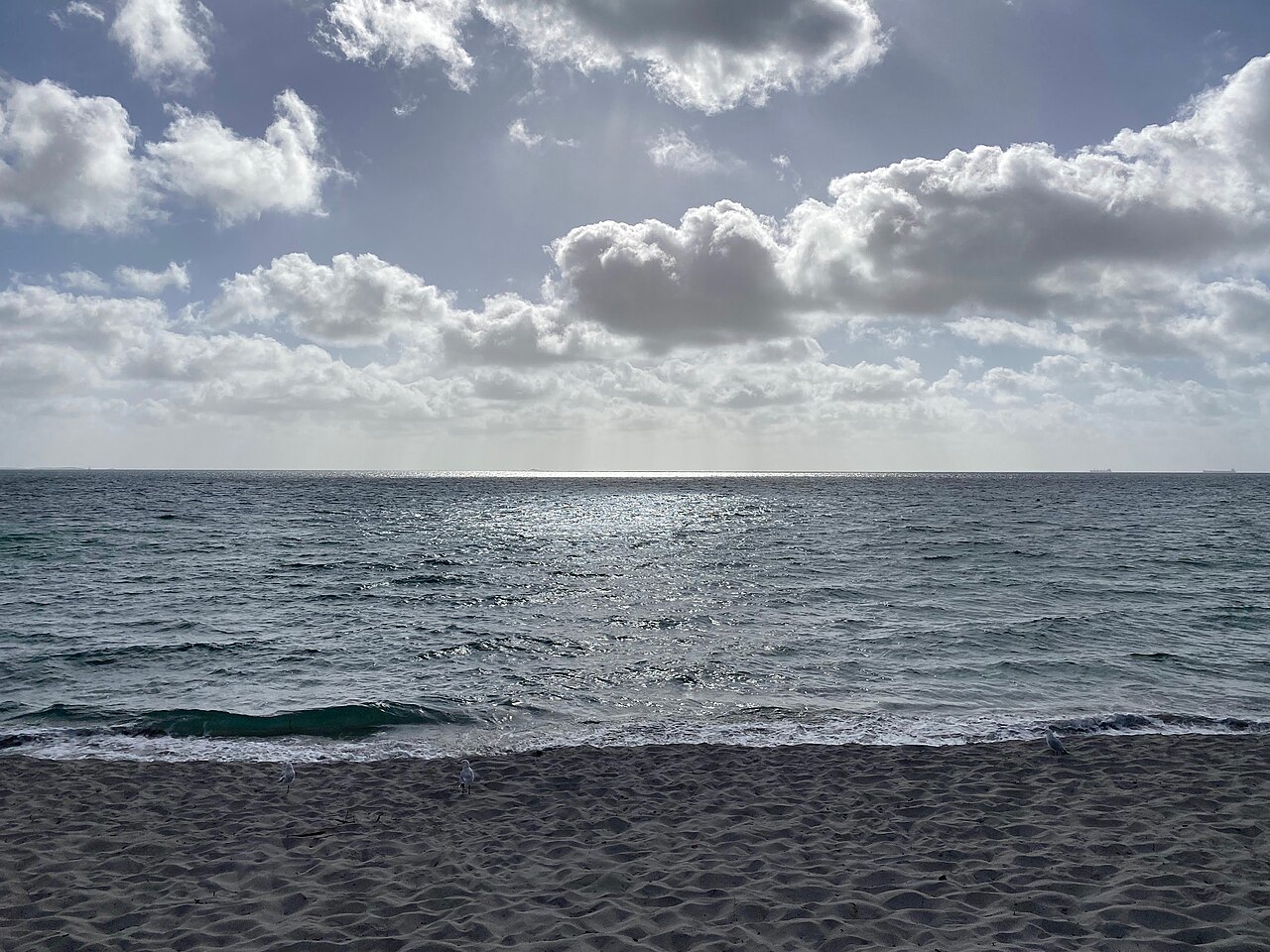
The Basin is close enough to the settlement to suit visitors who are walking. Its distinctive swimming area sits within naturally hollowed limestone reef. You can combine it with nearby Pinky Beach and Bathurst Point without committing to a long ride.
It is a practical choice when beach time matters more than covering distance. Its sheltered appearance does not remove the need to assess the sea on the day.
Pinky Beach and Bathurst Point: beach and lighthouse together
The white tower of Bathurst Lighthouse stands above Pinky Beach. This is one of the island's most recognisable views and a useful landmark for a short outing from Thomson Bay.
You can enjoy the outlook around the point, but the tower itself is not open for visitors to climb. Bathurst first operated in 1900, following a series of shipping disasters that included the loss of the City of York in 1899. Its position makes more sense when you look past the beach towards the reefs offshore.
Little Salmon Bay: make snorkelling the main event
Little Salmon Bay sits on the southern coast and is a popular swimming and snorkelling stop. The marked underwater trail is approximately 700 metres long. That is a meaningful swim, not just a few strokes beside the sand; you do not have to complete it to enjoy the bay.
Choose it for a longer beach break within a cycling or bus day. Bring your own equipment or organise hire in advance, and only enter when conditions and your swimming ability are suitable.
Parker Point and Henrietta Rocks: look beneath the surface
Parker Point combines coastal views with a snorkel trail and marine sanctuary habitat. Henrietta Rocks, closer to the settlement on the south-eastern coast, has a shipwreck offshore. Both reward time in the water when conditions permit, but neither should become an obligatory stop simply because it appears on a map.
The authority's snorkelling guide also explains Little Armstrong Bay, Little Parakeet Bay and Fay's Bay. Pick according to wind, water conditions and the distance you want to travel. Leave coral and reef untouched.
Cycling, buses or walking?
Cycling: choose the distance before you hire
The island has hills, exposed stretches and winding roads. Its limited vehicle traffic makes cycling attractive, but it does not turn every route into an easy family ride.
The official cycling guide describes three useful options:
Allow extra time for swims, lunch and attraction visits. Wind and fitness can change these estimates considerably. Hire is available from ferry operators or the island's Pedal & Flipper; reserve the right bike or child equipment in advance. Wear a helmet and stay on designated routes.
The Island Explorer: independent sightseeing without pedalling
The Quokka Coaches Island Explorer connects 19 stops, including Little Salmon Bay, Wadjemup Lighthouse, West End and Geordie Bay. It is a hop-on, hop-off service without commentary, rather than a guided tour.
From 1 September 2026 the operator listed adult tickets at $35, concession at $31 and child at $25, plus a temporary $1-per-person fuel surcharge. Confirm the total when booking. Buses can fill up; leave a margin before your ferry instead of relying on the final possible connection. Bicycles, bike trailers and bulky equipment that cannot fold are not carried. Prams, beach trolleys and fishing rods must be folded.
Walking works well around the settlement, museum and nearby beaches. Reaching West End on foot is a much bigger undertaking and is not a sensible extra on a short first visit.
A realistic one-day visit
This suggested plan assumes an early arrival and an afternoon return with roughly six to seven hours on the island. Adjust it around your booked sailings; these are planning allowances, not operating times.
Arrival and the settlement, about 45 minutes. Collect a map, orient yourself around Thomson Bay, refill water and pick up food if taking a picnic. Collect your reserved bicycle or confirm bus arrangements.
Wadjemup Museum, about 45 to 60 minutes. Once it opens, spend time with the island's history before heading further afield. The current published museum hours are 10am to 3.30pm; entry is by contribution.
Choose one main outing, about three hours. For a gentler day, follow the 4 km Mini Loop, making The Basin or the Longreach and Geordie Bay area your main stop. The short riding distance leaves room for lunch and a swim.
More active visitors can instead follow the 10 km Beaches, Lighthouses and Lakes route. It travels along the southern coast before heading inland towards Wadjemup Lighthouse and the lakes. Treat a lighthouse climb and a long snorkel as alternatives if time becomes tight.
Return with time to spare. Leave about an hour for returning equipment, changing, finding a drink and reaching the jetty. Follow the check-in time on your ferry booking. If travelling by bus, build the outing around that day's departures and choose two substantial stops.
Quokkas: watch their lives, not just the camera
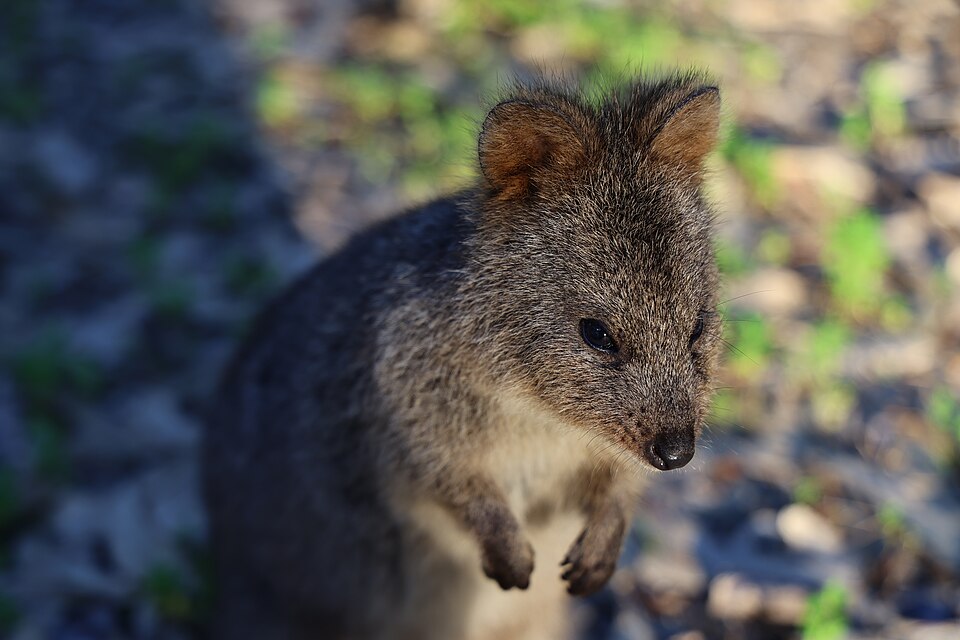
Quokkas are small marsupials related to kangaroos and wallabies. They are vulnerable wildlife, even when an individual appears comfortable beside a café or path. Early morning and late afternoon are good times to watch their activity; during the heat they often rest in shade.
The island authority identifies woodland on the way to The Basin and areas around the approach to Wadjemup Lighthouse as places to look. Stay on paths and let the animals decide where to go. Keep at least two metres away and move back if one approaches. Do not touch, feed, surround or lure them into a photograph. The official quokka guide explains how to observe them responsibly.
Understand Wadjemup's history
The island's beaches sit beside a painful colonial history. Between 1838 and 1931, thousands of Aboriginal men and boys were imprisoned on Wadjemup and subjected to harsh conditions and forced labour. Men were taken from communities across Western Australia, severing family and cultural connections. Aboriginal prisoners built much of the early colonial infrastructure, and those who died were buried in unmarked graves. The island authority's history gives the fuller account.
The Quod, the former prison, and the Aboriginal Burial Ground are places of remembrance. Follow signs, respect restricted areas and treat these places with the seriousness their history deserves.
At Wadjemup Museum, the millstone in the Truth Telling Space connects the building to prisoners' forced labour. Other objects, including glass spearheads and a lighthouse keeper's jacket, open different parts of the island's story. An Aboriginal-led cultural experience adds perspectives that a self-guided beach trip can easily miss.
Further afield: the lighthouse and West End
The Wadjemup Lighthouse tour climbs 155 stairs inside the 38-metre tower. Children must be at least five, and the staircase requires physical effort. The outlook helps you understand how the lakes, settlement and coastline fit together. Confirm tour availability before riding inland specifically for a climb.
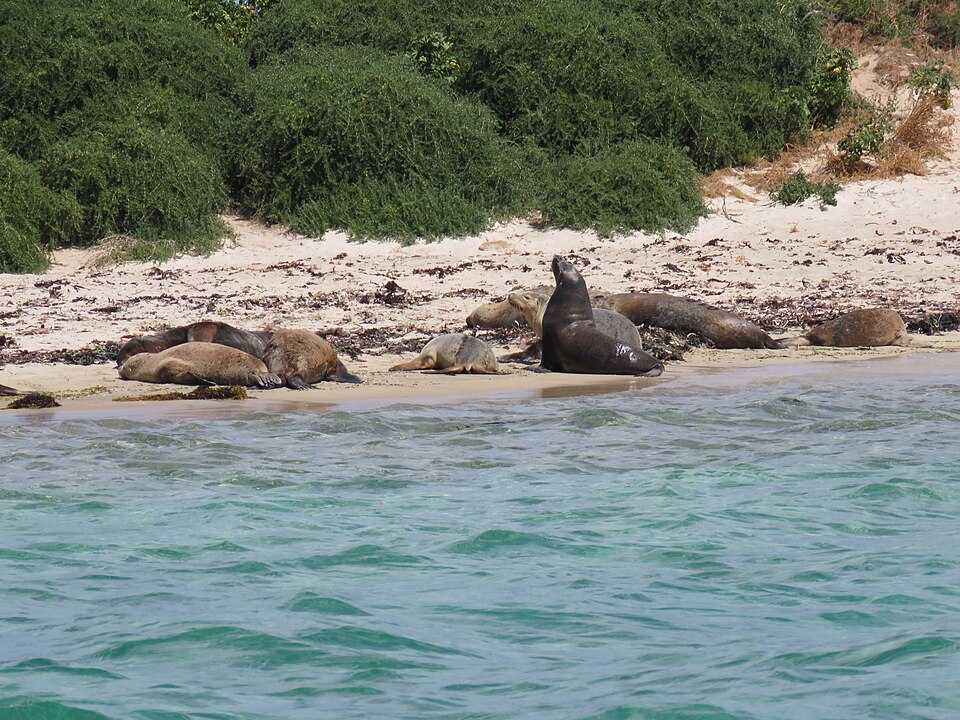
West End has a more exposed character, with ocean swell and rocky headlands. Visit the viewing platform at Cathedral Rocks to look for long-nosed fur seals, then the Cape Vlamingh boardwalk for the coastline. Sightings are never guaranteed. This is a good focus for a longer bike ride or bus outing, rather than an addition to every beach day.
Three things you may not know
- Rottnest's European name came from a mistake. Dutch explorers thought the quokkas were large rats. The animals are marsupials, not rodents.
- The island has two working lighthouses. Bathurst overlooks Pinky Beach; Wadjemup Lighthouse stands inland. Only the latter offers a visitor climb.
- There is more than coastal scenery. The salt lakes and wetlands support birdlife, while the Leeuwin Current helps explain the mix of marine species offshore. Taking an inland route reveals an island that a beach-only visit misses.
The authority's island facts explain more of its natural and maritime setting.
Food, water and accessibility
The main settlement is the simplest place to organise meals and supplies. Rottnest Bakery and the General Store are useful before a ride; pack a picnic if you would rather spend lunchtime at a bay. Carry water before leaving the settlement. The practical visitor guide identifies refill points at places including The Basin, Geordie Bay and Kingstown Barracks. Water access is more limited elsewhere.
Accessible transport must be arranged for the actual service you book. Ferry access differs by operator, vessel and terminal. Mobility equipment, adapted cycles and beach wheelchairs can be arranged through Pedal & Flipper, and accessible buses may require advance notice. Read the detailed accessibility guide before committing to a route.
Current facility closure: checked on 27 September 2026, the Henderson Avenue Changing Places facility was listed as closed for works until mid-December 2026. Anyone who depends on that facility should contact the Visitor Centre before booking travel. Other accessible toilets are listed separately in the island's access information.

 Family day trip guide