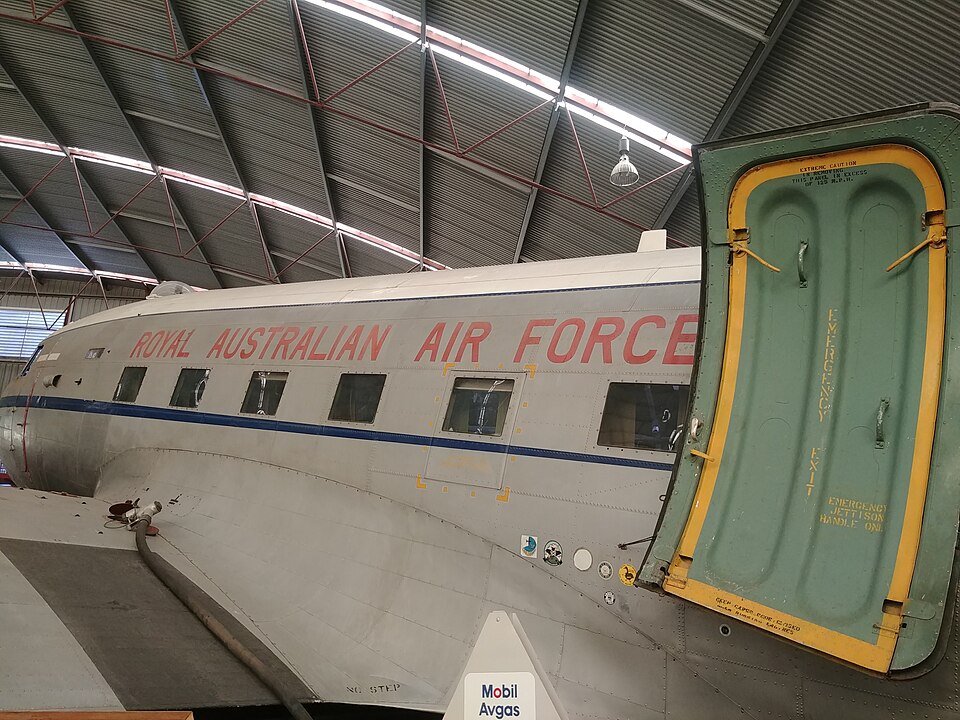
Kalamunda History Village gathers former railway, school, cottage and work buildings around the old Upper Darling Range railway site. It is a place to follow how hills residents travelled, worked and lived, rather than a single preserved home. Opening hours vary by weekday and the last admission is before closing.
| Visit detail | City of Kalamunda information |
|---|---|
| Address | 56 Railway Road, Kalamunda |
| Monday–Wednesday, Friday | 10am–3pm |
| Thursday | Noon–3pm |
| Saturday and Sunday | 10am–4pm |
| Last entry | Half an hour before closing; admission charged |
Walk a working district in miniature
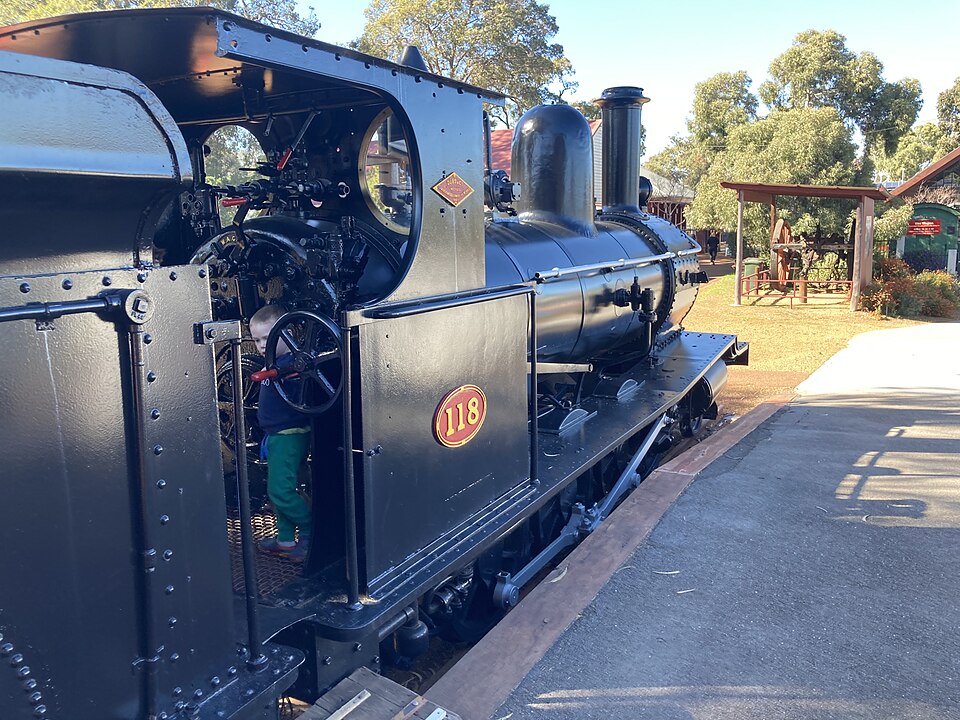
The City of Kalamunda traces the village to the Upper Darling Range Railway, built for the timber districts. Its list includes two railway station buildings, locomotive G 118, a school, post offices, cottages and displays on orchards and blacksmithing. Not every building represents the same year, and some were moved here. Read their labels as a collection of different parts of hills life rather than an untouched street from one date.
Build in time for the grounds
The City's opening schedule has Thursday starting at noon, whereas the other named weekdays start at 10am. Weekends run later to 4pm. Last entry is 30 minutes before closing. Admission fees apply; check the current tariff and any school programme before travelling. A school or group booking is a separate arrangement, not a reason to assume casual visitors can enter early.
The village includes outdoor paths and old buildings. Take water and a hat in warm weather and ask staff which routes and interiors work for your mobility needs. The City page also mentions Stirk Cottage at 12 Kalamunda Road, a separate historic house with its own limited opening. Do not confuse that cottage's Sunday hours with the village at 56 Railway Road.
For another collection with machines tied to work in WA, see the Tractor Museum at Whiteman Park. The photograph shows G 118 at the village in 2021.