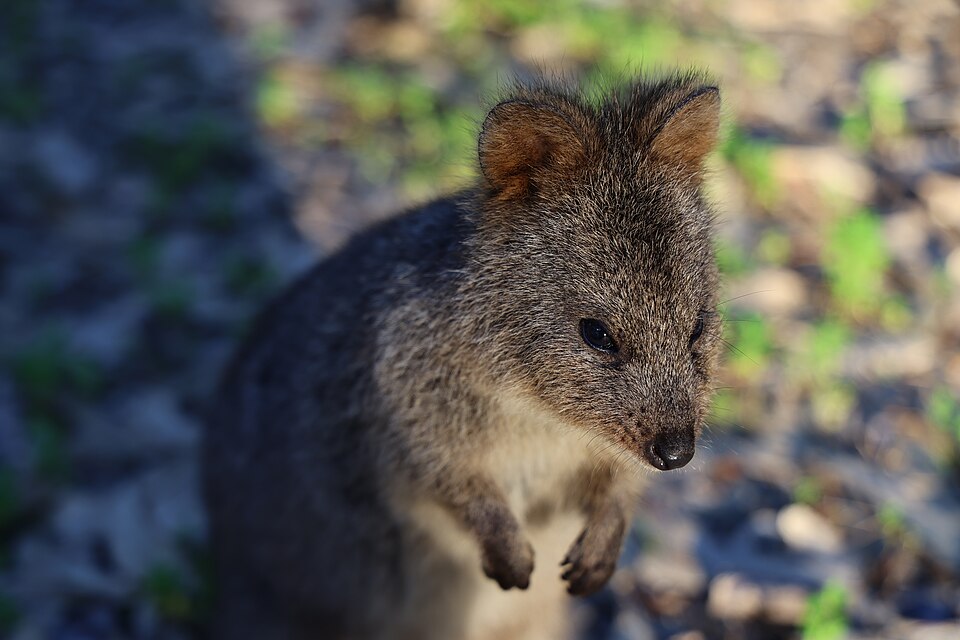
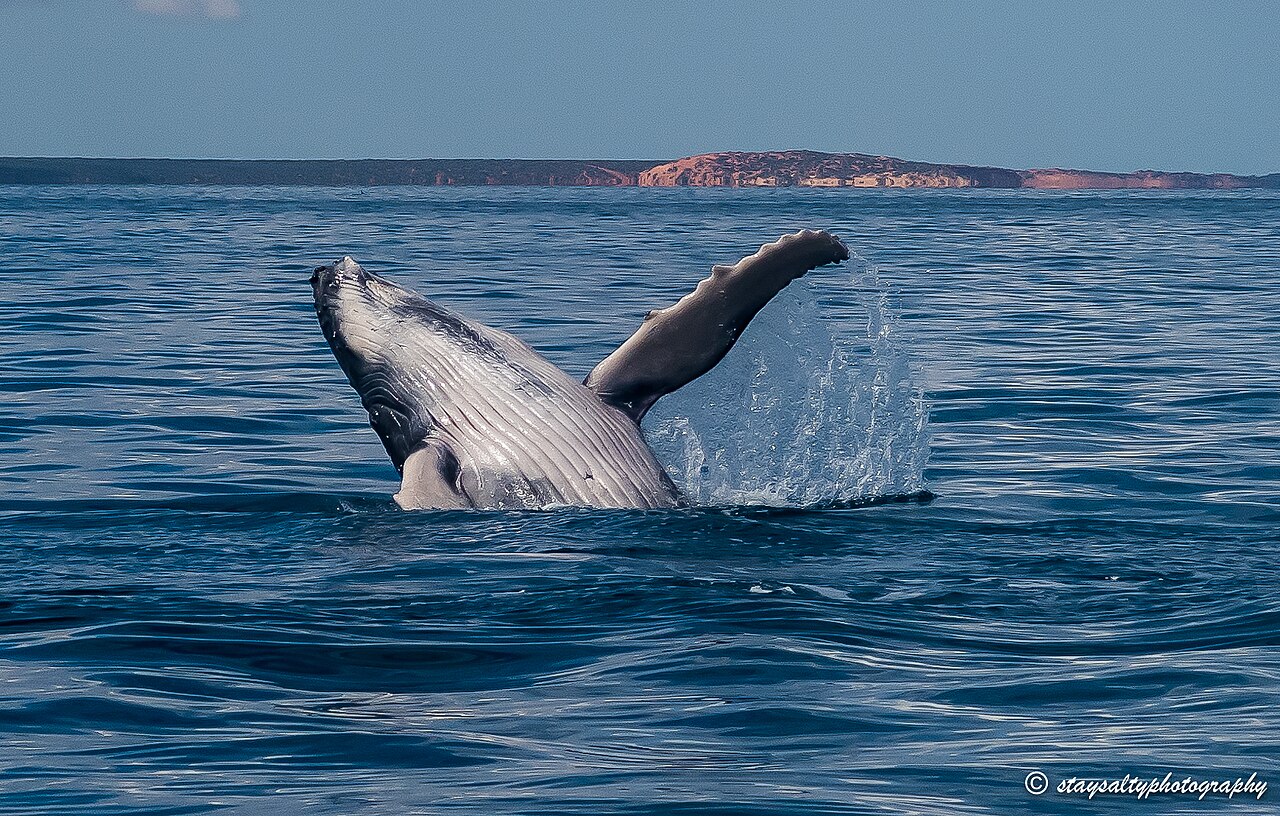
Humpback whales pass the Perth coast on their annual migration, and spring is the main season for a whale-watching cruise. Boats leave from Fremantle and Hillarys Boat Harbour, while the western end of Wadjemup / Rottnest Island offers places to watch from land.
The first decision is when to go. September to November is the usual planning window for spring humpback trips, although individual operators start and finish on different dates. Winter humpback cruises and autumn blue-whale expeditions are separate options, with different journeys and time commitments.
Choose your whale-watching trip
| Option | Published season | Time on the water | Departure or viewing place |
|---|---|---|---|
| Spring humpback cruise with Whale Watching Perth | 21 August to 9 November 2026, subject to whale activity | About 2 hours | Hillarys Boat Harbour |
| Spring humpback cruise with Whale Watch Western Australia | September to November | About 2 hours | Fremantle Fishing Boat Harbour |
| Winter humpback cruise with Whale Watch Western Australia | June to August on its dedicated tour page | About 3 hours | Fremantle |
| Perth Canyon blue-whale expedition | Autumn; check the departure calendar | About 7 hours | Fremantle |
| Watch from Rottnest Island | The island authority describes an August to December migration period | Allow a separate island outing | Cape Vlamingh and Cathedral Rocks |
Cruise durations exclude getting to the harbour and checking in. For a two-hour trip, leave at least half a day free in your itinerary. That is a planning allowance, rather than an operator's promised door-to-door journey time.
When is the best time to see whales in Perth?
For a first visit, September and October are a practical starting point: both main spring cruise options are scheduled during those months. November can also work, but check the operator's final sailing dates before arranging the rest of your day. The whales' migration does not follow a fixed timetable.
During spring, humpbacks travel south after spending winter in warmer northern waters. Mothers and calves are among the whales seen off Perth. A cruise might encounter travelling animals, resting whales or surface activity, but no particular behaviour can be promised.
For 2026, Whale Watching Perth's Hillarys schedule lists a 9 am departure daily, with additional noon trips on Saturdays and Sundays in September and October. It gives 9 November as the season's end, while noting that whale activity could bring an earlier finish.
Whale Watch Western Australia also advertises a winter humpback tour from Fremantle. This follows the northbound migration and takes longer than its spring cruise. Check the actual dates available when booking.
Fremantle or Hillarys: which departure suits you?
These are different operators with similar names. Check the company and harbour on your confirmation before arranging transport.
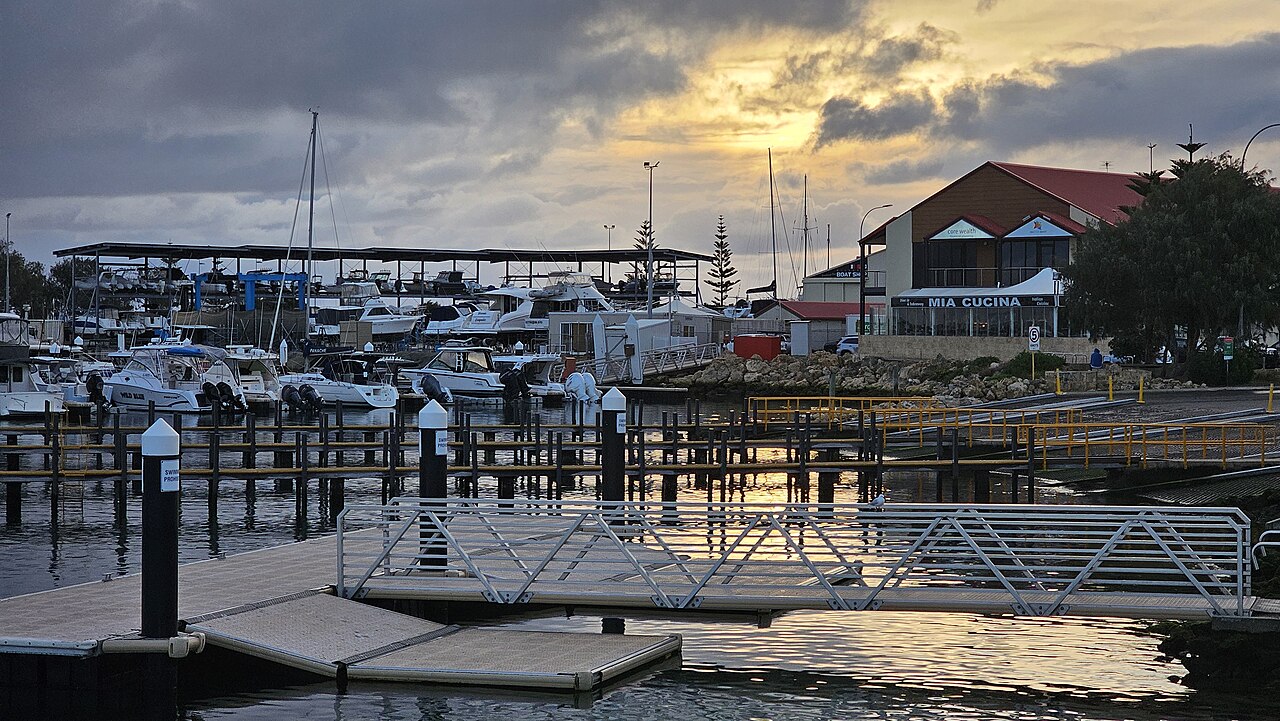
Fremantle: Whale Watch Western Australia
The operator's spring tour page gives Sardine Jetty, Mews Road, Fremantle Fishing Boat Harbour as its departure point. This is the Fishing Boat Harbour, so use that full address when planning your journey.
This option fits a day in Fremantle. Keep lunch or other sightseeing flexible until you know your cruise's return arrangements. The operator asks spring-tour passengers to arrive 30 minutes before departure and lists paid parking at Sardine Jetty.
Hillarys: Whale Watching Perth
The Hillarys operator runs two-hour cruises with marine-biologist commentary. Its booking office is Shop 56, Southside Drive, Hillarys Boat Harbour. Follow the operator's instructions for the boarding point.
For visitors staying in northern Perth, this may be a convenient starting point. The operator also offers a courtesy coach from selected Perth CBD, Northbridge and Sunset Coast pickup points, booked in advance. Confirm the pickup and return arrangements when reserving your seat.
How much does whale watching cost?
Prices checked on 24 September 2026, in Australian dollars:
- Whale Watching Perth advertises Hillarys fares of A$78 for adults and A$48 for children. Its terms define the child fare as ages 4 to 12; younger children have a separate infant category.
- Whale Watch Western Australia's Perth tour listings show A$110 for the spring tour, A$165 for the winter tour and A$385 for the Perth Canyon blue-whale trip. Check the ticket category and inclusions attached to the fare you select.
Compare the final total for your party, including any payment fees, transfers and upgrades. A cheaper advertised ticket may not be the most convenient option if it requires a costly journey across Perth. These are published prices, not a live availability check.
What whales might you see?
Humpbacks are the main species to expect on a spring Perth cruise. Their long flippers and arched backs are useful identification clues. A sighting may be a blow, a back breaking the surface or a tail before a dive. Breaching is possible, but a quieter encounter still counts as seeing a wild whale.
Southern right whales are also recorded around Rottnest, though less frequently. They have broad backs without dorsal fins and distinctive rough patches on their heads. Let the crew identify distant animals rather than assuming every large shape is a humpback.
Blue whales require different planning. The Perth Canyon expedition is a full-day offshore trip aimed at finding them in their feeding area. Choose it because you want that longer experience; a short spring humpback cruise is not a substitute for a dedicated blue-whale outing.
Can you watch from shore?
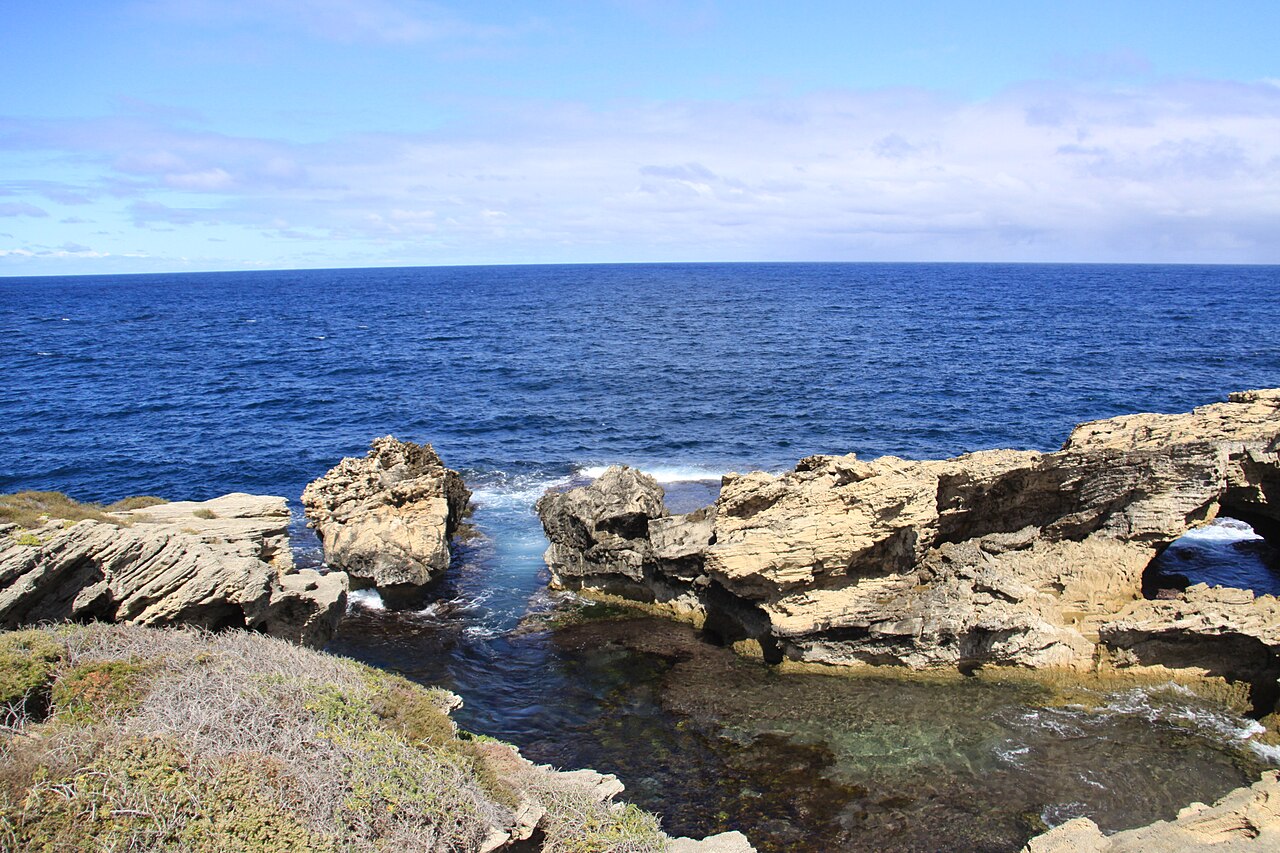
Yes. Rottnest Island's official whale-watching guide identifies Cape Vlamingh and Cathedral Rocks at West End as viewing locations. Reach West End by island bus or bicycle and bring binoculars if you have them.
Stay at the established viewing areas and scan the water patiently. Whales may be a long way offshore, and there may be none visible during your visit. The coast itself makes a worthwhile stop, so plan the outing around enjoying the island as well as looking for whales.
You might also spot a whale during a ferry crossing. Treat that as a possibility rather than the purpose of the ferry trip. For transport and the rest of your day, see our Rottnest Island guide.
Getting there without a car
For Fremantle, plan a train journey to Fremantle Station and the onward walk or local connection to Sardine Jetty. Leave time to find the boarding location; arriving at the station is not the same as arriving at the boat.
For Hillarys, Transperth route 423 serves Hillarys Boat Harbour between Warwick and Stirling stations. Check the current timetable and your train connection for the day you travel. The operator's prebooked courtesy coach is another option.
Use the Transperth JourneyPlanner with an “arrive by” time based on check-in, not the boat's departure time. Check weekend services before buying an early cruise. Our getting around Perth guide covers the wider transport network.
Accessibility and visiting with children
Whale Watching Perth advertises wheelchair access. Before paying, ask about the vessel assigned to your trip, the boarding ramp, accessible toilet, clear viewing space and which decks you can reach. Confirm coach access separately if you need a transfer.
Whale Watch Western Australia's terms ask wheelchair users to give at least 24 hours' notice and to discuss mobility requirements when booking. An accessible harbour does not establish that every boat or viewing deck will suit you.
The operators publish different Companion Card arrangements. Whale Watching Perth's terms describe a concession fare for the cardholder and free travel for one accompanying carer, arranged at booking. Whale Watch Western Australia's FAQ describes a concession ticket for the companion. Confirm the applicable fare directly before purchase.
For families, consider how comfortable your child is spending time on a moving boat. Ask about age requirements and suitable facilities for the particular tour. The Perth Canyon operator states a minimum age of 10 for its extended blue-whale trip; the short cruises have different policies.
What to bring and how to plan the day
Bring a warm layer, a windproof or waterproof jacket, flat shoes with grip, sunscreen, sunglasses and a hat that will stay on in the wind. Keep your camera or phone secure and use a bag that leaves your hands free for boarding and moving around.
If you are prone to seasickness, speak with a pharmacist before travelling about suitable prevention. Tell the crew if you feel unwell. A calm-looking harbour does not tell you what the sea will be like farther out.
Book early in your Perth stay if possible, leaving another day available in case conditions change. Keep the contact details on your booking up to date and read any departure message from the operator. Avoid a tight flight, ferry or tour connection immediately afterwards.
What does a sighting guarantee mean?
A sighting guarantee describes the operator's remedy after a trip without whales. It does not make an encounter certain on your chosen day.
- Whale Watching Perth: its public policy offers another trip within the same season. For travel during the final two weeks, it says the return can be in the following season. Confirm how that applies to your booking.
- Whale Watch Western Australia: its terms give direct-booked humpback passengers a transferable lifetime return voucher after a qualifying no-sighting trip. Third-party bookings have different conditions. Blue-whale trips have a separate policy, offering a discounted return rather than the same free-return arrangement.
Read weather-cancellation terms separately from the no-sighting policy. If you are visiting from overseas, think about whether you could realistically use a return voucher.
Give the whales room
Follow the crew's directions and allow whales to behave naturally. Do not expect the boat to chase an animal or move close enough for a particular photograph.
DBCA's whale-watching guidance tells boats to approach from the side, stay at least 100 metres away and avoid cutting across a whale's path. Additional approach rules apply; private boaters should read the full guidance before heading out. Avoid disturbing mothers and calves.
The cruises described here are boat-based viewing trips. Do not jump into the water to approach a whale. DBCA's information on swimming with humpbacks describes specially licensed activities in the Ningaloo region, which is a separate destination and experience.
Useful official information
Visitor information checked 24 September 2026. Recheck departure dates, prices and booking conditions for your travel date.
- Tourism Western Australia: whale-watching seasons
- Whale Watching Perth: Hillarys cruises
- Whale Watch Western Australia: Fremantle cruises
- Rottnest Island: whale watching and lookouts
- Australian Government: whale identification and responsible watching
- Transperth JourneyPlanner