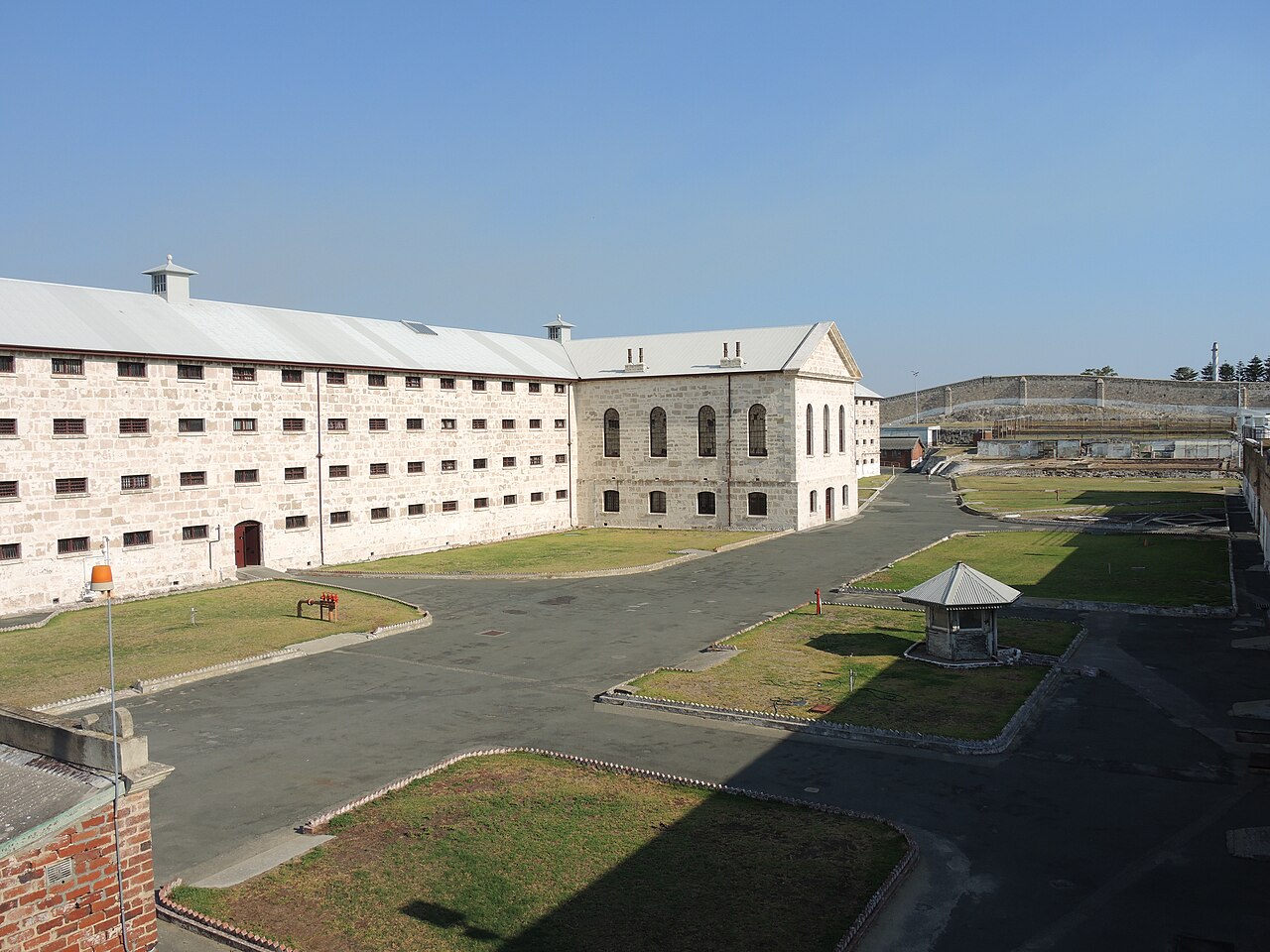
Fremantle Prison is one of the most compelling places to understand Western Australia's convict past. Convicts built the limestone complex in the 1850s; it remained a working prison until 1991. Today, you can explore its visitor centre and convict displays for free, or join a guided tour to go deeper inside. A visit can be a 75-minute introduction to the prison, a longer journey through its underground tunnels, or the centrepiece of a day in Fremantle.
This is a place of punishment and confinement, as well as impressive heritage architecture. Its stories include transported convicts, women and young prisoners, Aboriginal people caught in colonial systems, and the men held here in the twentieth century. The best tour depends on which part of that history you want to hear and how comfortable you are with stairs, dark spaces and difficult subject matter.
| Plan your visit | What to know |
|---|---|
| Address | 1 The Terrace, Fremantle WA 6160 |
| Entry | Gatehouse Complex, Visitor Centre, Convict Depot and Gift Shop are free; access beyond the gatehouse is by paid guided tour |
| Typical visit | Allow about 1.5–2 hours for one day tour and arrival time; allow longer for displays or a second tour |
| Gatehouse hours | Usually 9am–5pm daily, except Good Friday and Christmas Day; evening tours run on selected nights |
| Best first tour | Convict Prison for the origins of the site; Behind Bars for daily life through its later working years |
| Booking | Day tours: ticket office or phone; Tunnels and Torchlight: advance booking and payment essential |
| Official details | Tours and departures · Prices · Accessibility |
Why Fremantle Prison matters
The prison was originally called the Convict Establishment. Convicts quarried limestone on the site and built the complex between 1852 and 1859. The first prisoners moved into the Main Cell Block in 1855. Transportation to Western Australia ended in 1868, but the buildings did not become a museum. From 1886 the prison took on a wider role as the colony's main place of confinement, later serving as a maximum-security prison until its closure on 8 November 1991.
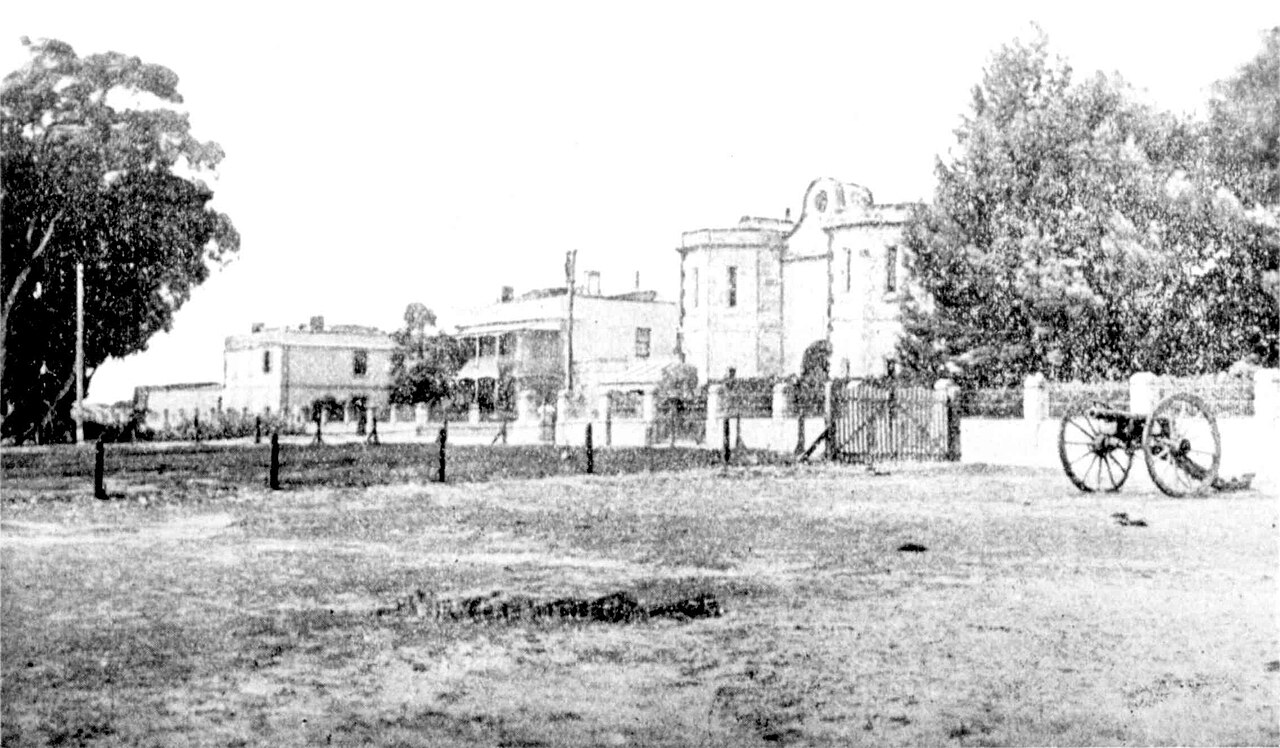
Its long working life is what makes the site so striking. The same walls tell very different stories: a British system of transportation and forced labour; the routines and punishments of a colonial prison; and the struggle to run a modern institution inside a nineteenth-century building. Women were held in a separate section until 1970. The prison also held juveniles and, at different times, military detainees and internees. Prison unrest and concern about conditions formed part of the long path to closure.
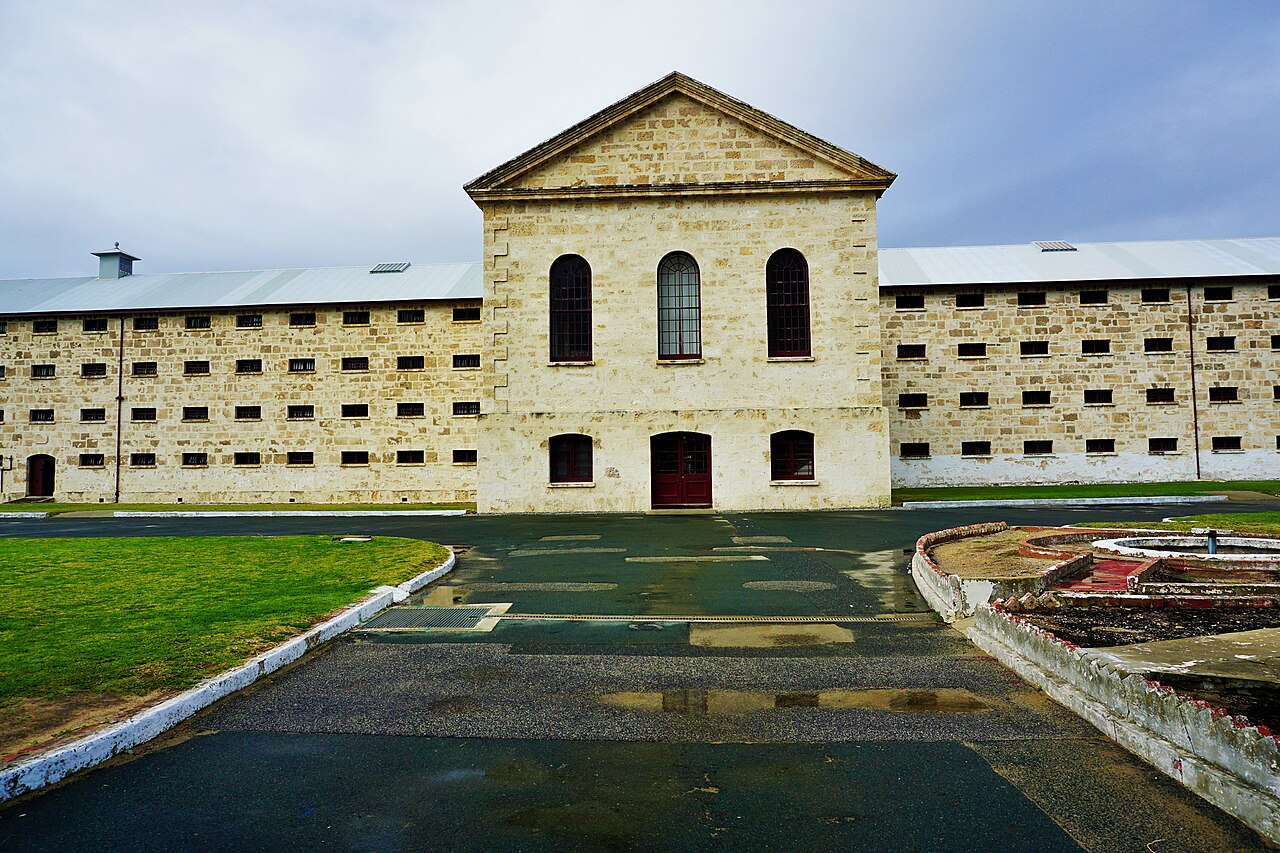
Fremantle Prison is one of the 11 places in the Australian Convict Sites UNESCO World Heritage listing, inscribed in 2010. That recognition concerns more than old stonework. The sites show how the British Empire used transportation, forced labour and imprisonment in its colonial expansion. UNESCO also describes the harm this expansion caused Aboriginal peoples. Fremantle Prison stands on Whadjuk Noongar Country in Walyalup; that context belongs in the story of the place.
Six details worth knowing before you go
- Its name changed, but the later name stayed. Its original name was the Convict Establishment; it was renamed Fremantle Prison in 1867. It stopped operating as a prison in 1991, but the historic site kept the name.
- The prison was built from its own ground. Convicts quarried limestone from the ridge and used it to build the establishment between 1852 and 1859. Its walls are part of the landscape they were cut from.
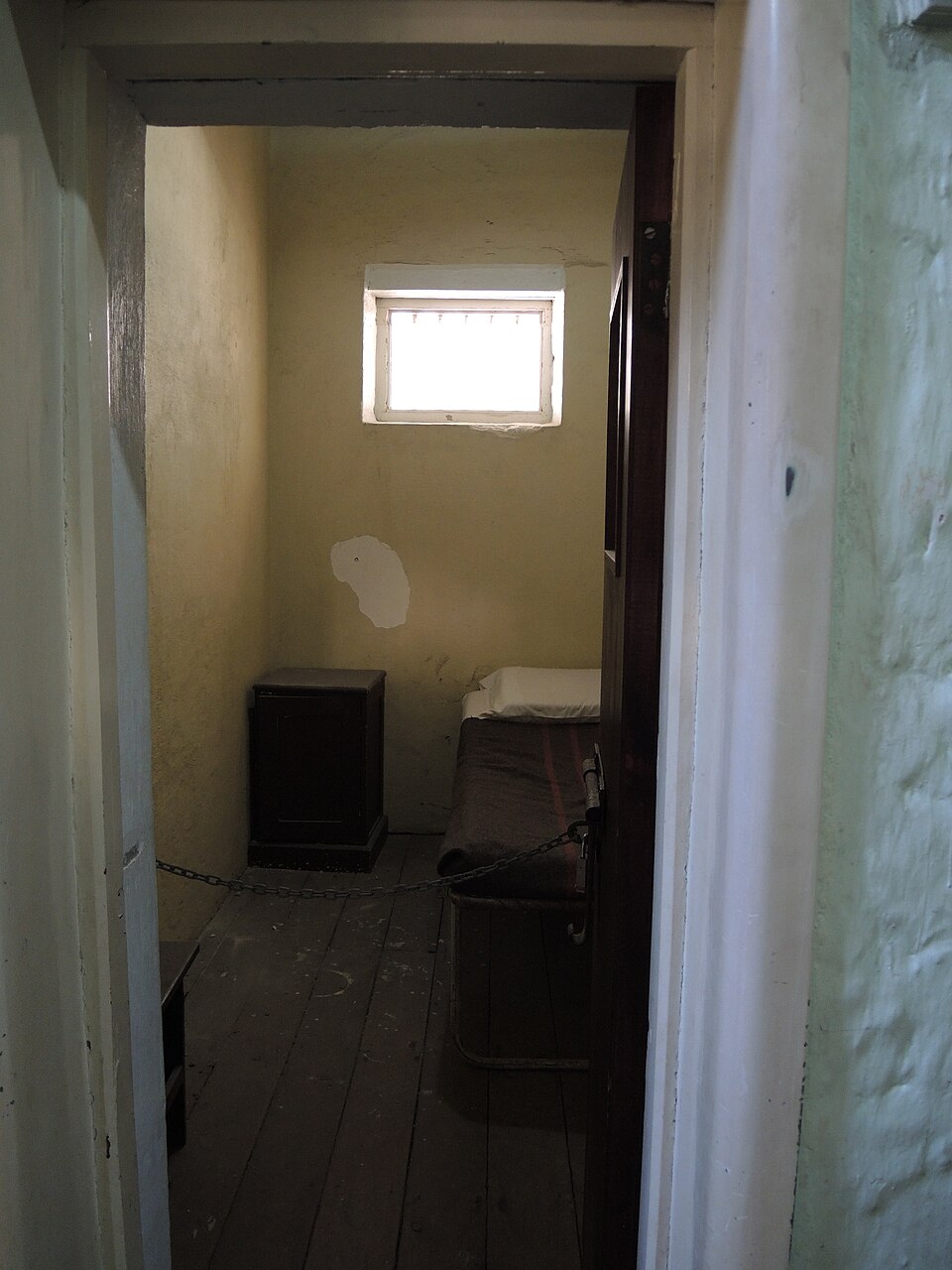
- The first cells were extraordinarily small. Cells in the original Main Cell Block measured about 1.2 by 2.1 metres. After criticism of prison conditions in the 1890s, some were enlarged by removing the wall between adjoining cells. A tour helps you understand what that change meant inside the building.
- The tunnels were about water, not an escape route. Prisoners excavated underground wells and passages to reach an aquifer; the water system later supplied parts of Fremantle. Today's Tunnels Tour follows that labour-intensive infrastructure, including submerged sections explored by punt.
- Women were confined here until 1970. A former service-building area became a separate women's prison. It is easy to focus on the better-known stories of transported men and miss this later chapter.
- Its closure is recent history. The site was still a maximum-security prison in 1991. A 1988 riot and fire formed part of the final years of a prison that had become difficult to operate within its old walls.
Which Fremantle Prison tour should you choose?
| Tour | Main focus | Approximate length | Best for |
|---|---|---|---|
| Convict Prison | Construction, transportation and the convict era to 1886 | 1 hour 15 minutes | A first visit focused on early WA history; involves significant stairs |
| Behind Bars | The working prison from 1887 to 1991, including cells and exercise yards | 1 hour 15 minutes | Daily life and the site's more recent history; the more accessible day-tour choice for many visitors |
| True Crime | Crimes and prisoners whose stories became public news | 1 hour 15 minutes | Visitors interested in criminal cases; not recommended for under-10s |
| Tunnels | Prisoner-built tunnels roughly 20 metres underground, with walking and a punt journey | About 2–2.5 hours | Fit visitors who want an active experience and meet all safety conditions; minimum age 12 |
| Torchlight | Darker stories told after hours, with theatrical surprises | 1 hour 30 minutes | An atmospheric evening visit; not recommended for under-10s or visitors who would find scares distressing |
The Tunnels Tour needs special preparation
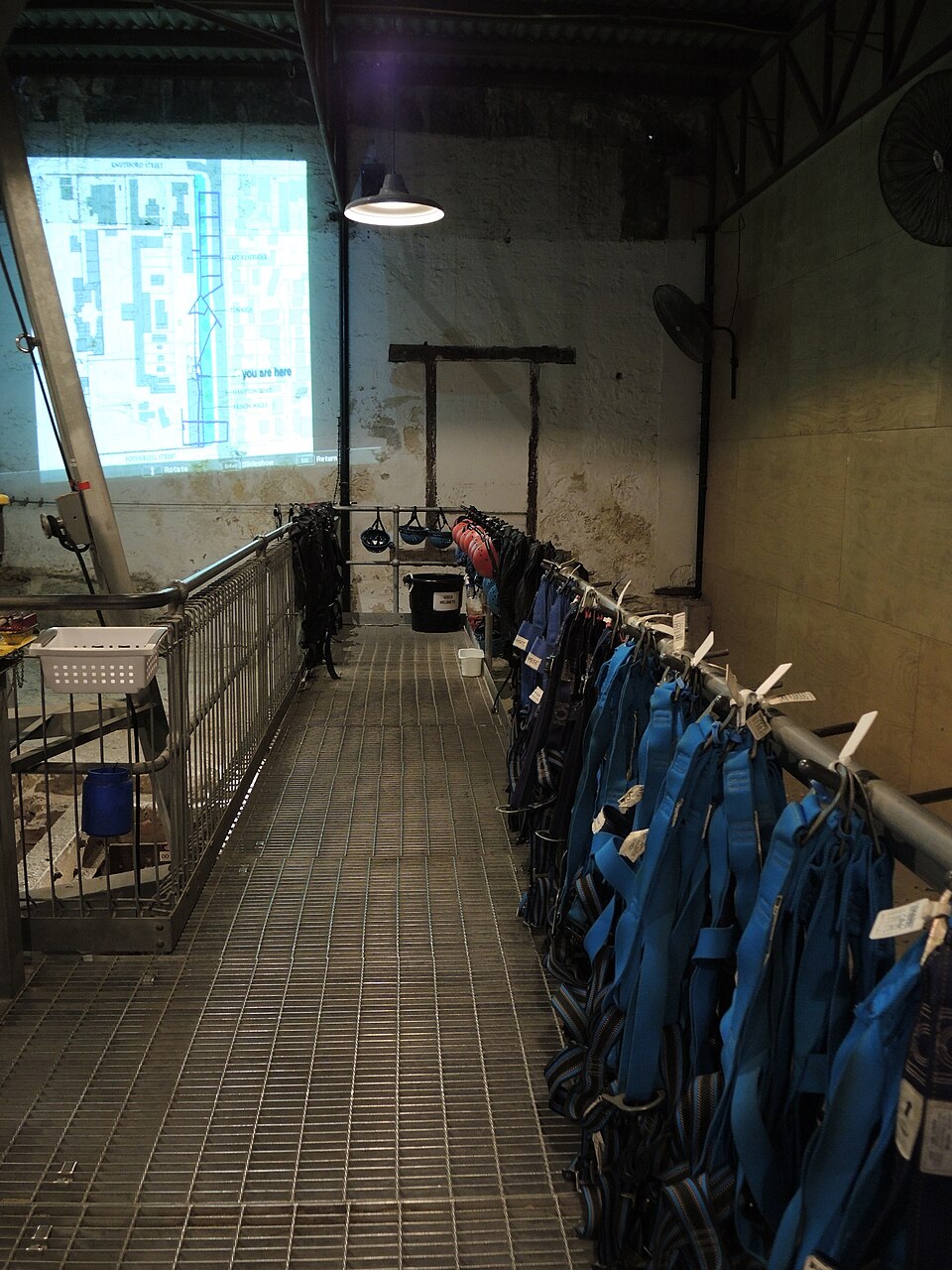
This is much more physical than the other tours. Participants use a vertical ladder system to descend and climb about 20 metres, walk through low passages and travel on replica punts through flooded sections. You must be at least 12, be able to climb the ladder independently, and meet the operator's safety and equipment rules, including its stated 40–140kg weight range. The tour is not wheelchair accessible. You are provided with safety equipment and boots, but should bring socks. Phones, cameras and bags cannot go into the underground section; lockers are provided. Book and pay ahead, read the full conditions and arrive at least 15 minutes early. If you are unsure whether it suits you, call the prison before buying a ticket.
Touring with children
The standard day tours discuss imprisonment, punishment, executions, violence and other difficult subjects. The operator advises against True Crime and Torchlight for children under 10, while Tunnels has a minimum age of 12 and physical requirements. For a younger or sensitive child, read the current tour description and ask the ticket office what guides usually cover. This is a real former prison, not a themed escape attraction.
Tickets and what is free
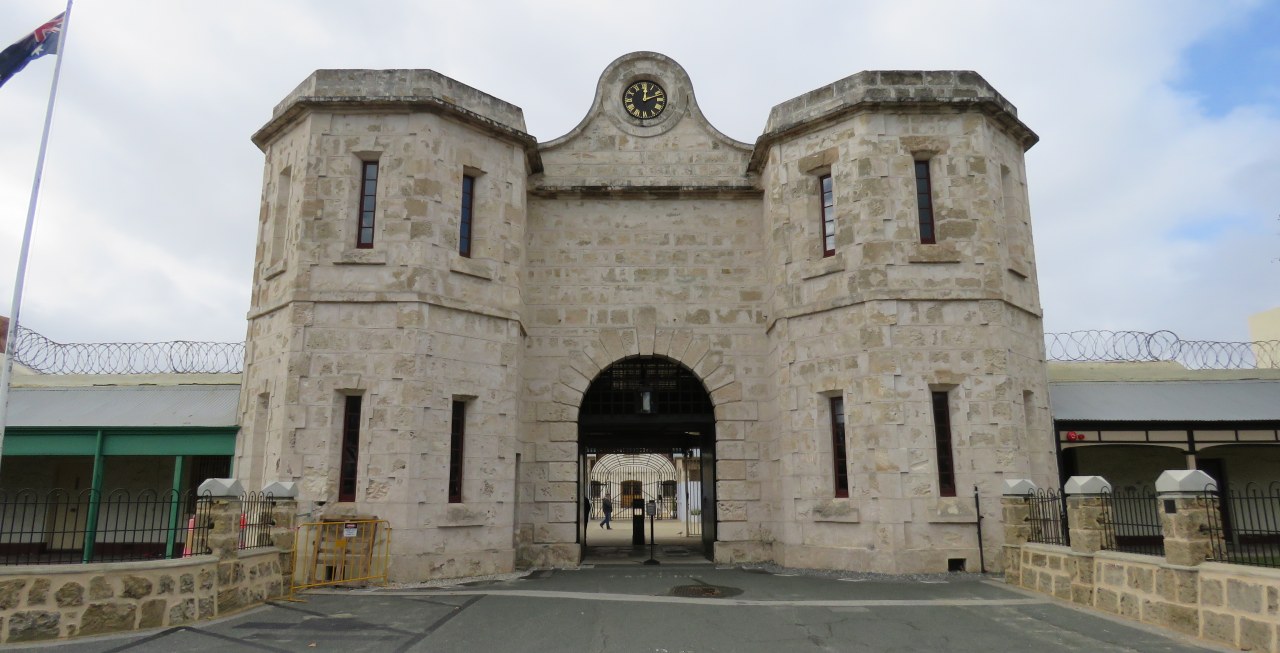
You can enter the Gatehouse Complex without buying a tour. It contains the Visitor Centre, the Convict Depot and the Gift Shop. The displays give you a worthwhile short stop if you have limited time, though you will need a guided tour to enter the prison beyond the gatehouse.
As checked in September 2026, one of the three standard day tours costs A$25 adult, A$22 concession or A$15 child. The Tunnels Tour is A$70 adult and Torchlight is A$30 adult; two- and three-tour packages are also available. The operator lists these prices as valid until 30 June 2027, but always check its current price table before booking. A family pass and eligible concessions may reduce the cost. The official price page says a carer with a valid Companion Card is admitted free on the stated conditions.
Day-tour tickets are sold at the ticket office or arranged by phone, not through the prison's online booking system. Walk-ins are subject to available places; phone ahead for a particular departure, especially during school holidays. Tunnels and Torchlight require bookings and pre-payment and can be booked through the official site or by phone. Arrive at least 15 minutes before your tour so you can collect tickets and find the meeting point.
Access and comfort
This is a nineteenth-century complex with uneven ground, thresholds, narrow doorways and stairs. The free gatehouse displays and several ground-level areas have wheelchair access, but the upper cell-block levels do not. According to the prison's accessibility guide, Behind Bars is substantially accessible, True Crime and Torchlight are largely accessible, Convict Prison involves many stairs, and Tunnels cannot accommodate wheelchairs. Routes may change, and the operator's tour and general access pages give differing percentages for Torchlight, so ask the ticket office about your actual route rather than relying on a single percentage.
The prison lists accessible toilets, ACROD parking, two wheelchairs available to borrow subject to availability, Auslan handheld guides and multilingual audio guides for several tours. Guide and assistance dogs are welcomed except on the Tunnels Tour. If you use a wheelchair, have limited walking stamina, bring a pram, need a quieter experience or want to discuss potentially distressing content, call (08) 9336 9200 before booking. The prison also provides tour-specific planning guides.
Wear comfortable shoes and allow for exposed sections between buildings. Still photography is generally permitted on ordinary prison tours, without flash on artworks and displays. Cameras and phones are prohibited in the underground Tunnels section. Follow the guide's directions and ask before filming a guide.
Getting there and planning a Fremantle day
The prison is at 1 The Terrace, uphill from central Fremantle. From Perth, take the train to Fremantle and allow time to walk through town and climb to the entrance. Check your particular journey and any service changes with the Transperth JourneyPlanner. If walking uphill or returning after an evening tour is difficult, plan a suitable bus, taxi or other ride in advance.
Driving is possible, but nearby parking is paid and can be busy. The prison lists a car park at The Terrace, entered from Fothergill Street, and another at the base of Fairbairn Ramp from Parry Street. ACROD bays are available in the nearby City of Fremantle car parks. The prison recommends allowing at least three hours of parking for a visit; check signs and fees on arrival.
The Prison Café is currently closed for renovations. Light refreshments may be sold at the relocated gift shop, with occasional coffee vendors, but it is easier to plan a meal elsewhere in Fremantle. Combine a morning prison tour with the Round House and the West End, or with the WA Shipwrecks Museum if you want another history stop. Check the opening days of any second attraction before fixing your itinerary.
Frequently asked questions
Can you visit Fremantle Prison without taking a tour?
Yes. The Gatehouse Complex, Visitor Centre, Convict Depot and Gift Shop are free to enter. Access farther into the prison is through a guided tour.
How long should I allow?
A standard day tour lasts 75 minutes. Allow around two hours including arrival and the free displays, or more if you plan two tours. Tunnels takes about 2–2.5 hours on its own.
Can I buy a day-tour ticket online?
The prison currently sells day-tour tickets at its ticket office or by phone. Its online booking is for Tunnels and Torchlight. Check the official booking page in case this changes.
Is the prison accessible to wheelchair users?
Some areas and tours are, but no tour gives full access to the historic complex. Behind Bars is the most accessible regular day-tour option listed by the operator. The Convict Prison route has significant stairs, and the Tunnels Tour is not wheelchair accessible. Discuss your needs and the current route with staff before booking.
Is it worth visiting if I only have one day in Fremantle?
Yes, if you want to understand the city's convict and prison history. Choose one day tour, then leave time for the waterfront, a museum or the West End. If your priority is a brief free stop, the gatehouse displays are the practical option.
Keep planning
Nearby Attractions
Distances are approximate straight-line measurements between mapped attractions, not walking, driving or public transport distances.
Fremantle Markets
Explore Fremantle Markets with Hall and Yard opening hours, named traders, food stops, building history, accessibility advice and a nearby walking route.
Historic market
View Fremantle Markets guideWA Shipwrecks Museum
WA Shipwrecks Museum is a Fremantle maritime archaeology museum in the historic Commissariat buildings, focused on Western Australia's shipwrecks, coastal encounters, trade and conservation work.
Maritime archaeology and shipwreck museum
View WA Shipwrecks Museum guideWA Maritime Museum
Explore Fremantle's WA Maritime Museum, from Australia II and pearling luggers to HMAS Ovens. Plan tickets, gallery highlights, access and a visit route.
Maritime museum
View WA Maritime Museum guide